
Credit Reporting HOA Dues
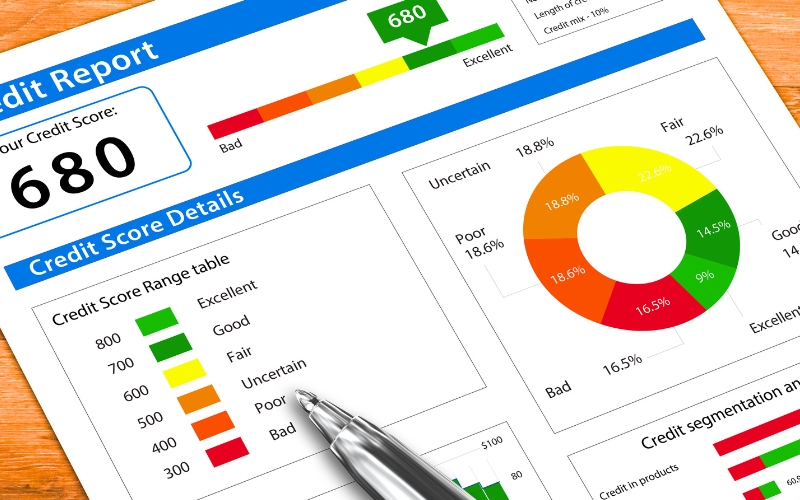
Credit reporting affects many things today. Insurance quotes, employability, ability to buy things, getting credit cards, and almost every other aspect of life. Today, credit scores are more important than ever. That’s why the possibility of getting a derogatory mark on their credit readily motivates homeowners to get current on their delinquent HOA dues.
Homeowners association board members have been looking at alternatives to the expensive old lien and foreclosure mill for some time now. Today, many HOA boards are turning to the time-tested and trusted mechanism of credit reporting to collect their late assessments – and they’re experiencing great success.
A few firms offer to credit report HOA assessments monthly, like a tradeline or credit card. But that means every homeowner must be reported every month – whether they’re delinquent or not. That’s expensive, and a real hassle for boards – especially with self-managed communities – where time is always in short supply.
Beware of Some HOA Credit Reporting Firms
It’s recently been discovered some of those agencies offering to credit report HOA dues monthly, are actually data mining their clients’ homeowners. So your homeowners end up having their personal information scraped and collected by a company who resells your association members’ data to marketing and advertising firms; without your homeowner ever knowing it.
Community associations may also want to avoid contingency collection agencies. That’s because contingency agencies have some behind-the-scenes practices you may not like. For example, most contingency collection agencies ‘score’ your accounts. That means they run your accounts through ‘scoring software’ to determine which accounts are the most profitable ones for them to work on. Then the contingency agency ignores the rest of your accounts. According to scoring software purveyors, only about a third (or less) of accounts submitted to a contingency agency should get any collection servicing.
In addition, collectors who work at contingency agencies (employees who make collection calls) get a very low hourly wage, and earn most of their income on a heavily weighted bonus basis. This puts stress and weight on these collectors, which translates to high pressure on your neighbors. Not good for community relations.
Another of the many aspects giving contingency agencies a soiled reputation is that some immediately credit report accounts right upfront; never giving those people they credit report a chance to get current before damaging their credit. Basically, these contingency agencies are using an untoward tactic that the Consumer Financial Protection Bureau calls “parking.”
Parking is the practice of just credit reporting a debt and not doing any collection activity on that debt. These agencies just wait until the people they’ve credit reported explode. Then, the agency demands ‘payment in full’ – all profit with no work. Unconscionable. No chance for homeowners to work out arrangements, or clear up any misunderstandings – just a hurtful hand grenade thrown into your community relations.

The Right Way to Report Delinquent Dues
Credit reporting HOA dues is a viable option today. Though it must be done properly. First, you need to understand that there are two primary ways to report an account to the three national credit bureaus.
One way is the tradeline method warned of above. And the other is the simpler, more effective and inexpensive approach which is to have unpaid dues reported as a collection account. That way you’re only affecting the credit scores of those who are delinquent on assessments – and only after they’ve been given a fair amount of time to come forward and get current.
A smarter course is to have a service that clearly communicates credit reporting as a potential consequence to your homeowners; as an incentive to get them to pay their dues before reporting occurs.
It’s also important to note that reporting unpaid dues as a collection account is not only less expensive, it’s more effective; that because a derogatory collection account has much more impact on a credit score than a mere tradeline does. Credit reporting unpaid dues this way is very effective at changing future behavior in a community.
Partnering with the Right Credit Reporting Service
Most associations need a firm to do the reporting on their behalf, because being a reporting entity is likely too entailed for most boards; especially relative to compliance. So, today boards opt for working with a professional HOA collection agency. However, there are some important points to know before you go collection agency shopping.
If you want the option of credit reporting your association’s delinquent HOA dues, look for a firm whose collectors are only paid on salary, that doesn’t use scoring software, and motivates members to get current before the consequence of credit reporting occurs.
There are HOA collection services that will report past due assessment payments to all three major credit reporting services – Experian, Equifax, and TransUnion – and will maintain those records for seven years, in accordance with the Fair Debt Collections Practices Act and the Fair Credit Reporting Act.
HOA boards or their management company can now easily and quickly report property owners who have delinquent HOA dues by way of HOA collection and credit reporting services (also known as ‘HOA dunning services’). With the right collections partner, and detailed reporting, a board can sit back and supervise the recovery of their delinquent assessments with ease… and free-up time to handle other community responsibilities.